-
 Rodora X
- No Comments


Cume Fintralis has established itself as a comprehensive trading platform that bridges traditional finance with modern blockchain technology. The platform offers traders access to multiple asset classes while maintaining robust security protocols and an intuitive user interface that appeals to both newcomers and experienced professionals.
Platform Architecture and Performance
Cume Fintralis operates on a distributed infrastructure that ensures consistent uptime and rapid order execution. The platform's backend systems process thousands of transactions per second while maintaining data integrity across all trading pairs. Multiple redundancy layers protect against system failures, creating a reliable environment for active traders who depend on consistent platform availability.
The technical framework supporting operations demonstrates impressive scalability. Load balancing algorithms distribute user requests efficiently, preventing bottlenecks during peak trading hours when market volatility attracts increased participation from retail and institutional traders alike.
Security Framework Excellence
Multi-factor authentication forms the foundation of the platform's security approach. Cold storage solutions protect the majority of user funds, while hot wallets maintain only the necessary liquidity for immediate trading operations. Regular security audits by third-party firms validate the effectiveness of these protective measures.
Advanced encryption protocols secure all data transmissions between users and servers. The platform employs industry-standard SSL certificates and additional proprietary security layers that exceed typical market requirements for financial service providers.
How Cume Fintralis Streamlines Trading Operations
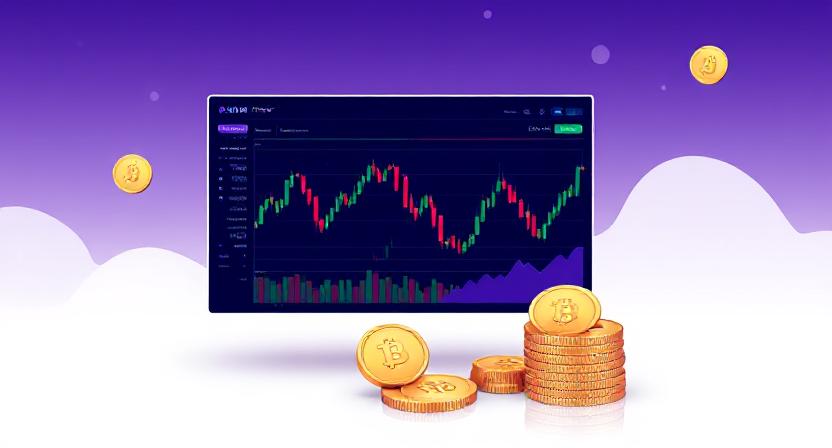
The trading interface prioritizes functionality without sacrificing visual clarity. Customizable dashboards allow users to arrange charts, order books, and portfolio information according to their specific preferences. Real-time market data updates seamlessly integrate with technical analysis tools, enabling traders to make informed decisions quickly.
Order types include market, limit, stop-loss, and trailing stop options. Advanced traders appreciate the availability of bracket orders and one-cancels-other functionality, which provide sophisticated risk management capabilities typically found only on professional-grade platforms.
Portfolio Management Tools Within Cume Fintralis
Asset allocation features help users maintain balanced portfolios across different market sectors. Automated rebalancing options execute predetermined strategies based on percentage thresholds or time intervals. Performance tracking displays historical returns, volatility metrics, and correlation analysis between held positions.
Tax reporting tools generate comprehensive statements that simplify annual filing requirements. The platform categorizes transactions by type and provides cost basis calculations that comply with regulatory guidelines in multiple jurisdictions.
Educational Resources and Market Analysis
The platform provides extensive educational content covering fundamental and technical analysis concepts. Video tutorials explain complex trading strategies in accessible language, while written guides detail risk management principles that protect traders from significant losses during volatile market conditions.
Market analysis sections feature daily commentary from experienced traders and economists. Technical indicators receive detailed explanations alongside practical examples demonstrating their application in real trading scenarios. Regular webinars address current market trends and emerging opportunities across various asset classes.
Asset Diversity and Market Coverage
Cume Fintralis supports trading across traditional stocks, cryptocurrencies, commodities, and forex markets. This comprehensive approach allows users to diversify their portfolios without maintaining accounts on multiple platforms. Cross-asset arbitrage opportunities become accessible when price discrepancies emerge between different markets or instruments.
The cryptocurrency selection includes major digital assets alongside emerging altcoins that show promising technological developments. Traditional assets encompass major indices, individual stocks from global markets, and commodity futures that provide exposure to agricultural and industrial sectors.
User Experience and Interface Design
Navigation remains intuitive regardless of user experience level. New traders can access simplified interfaces that focus on essential functions, while advanced users can enable additional features and analytical tools. Mobile applications maintain full functionality, ensuring traders can manage positions and monitor markets regardless of their location.
Response times for interface actions stay consistently fast, even during periods of high market activity. Cume Fintralis has optimized its systems to handle increased user loads without degrading performance quality, which distinguishes it from competitors that sometimes experience slowdowns during volatile trading periods.
Comparing Cume Fintralis Against Market Competitors
When evaluated against cume-fintralis.com, several key differences emerge in terms of user experience and feature depth. The platform offers more comprehensive charting tools and a broader selection of technical indicators compared to many alternatives in the marketplace. Commission structures remain competitive while providing additional value through enhanced research capabilities and educational resources.
Customer support responsiveness represents another area where the platform excels. Response times for technical issues average significantly faster than industry standards, with multilingual support available across different time zones to accommodate global user bases.
Fee Structure and Cost Transparency
Trading commissions follow a tiered structure based on monthly volume, rewarding active traders with reduced costs. Deposit and withdrawal fees remain minimal, with many funding methods available at no additional charge. The platform clearly displays all applicable fees before users confirm transactions, eliminating surprises that could affect trading profitability.
Institutional clients receive customized pricing arrangements that reflect their higher trading volumes and specific operational requirements. Retail traders benefit from competitive spreads across all asset classes, ensuring cost-effective access to global markets regardless of account size.
Risk Management and Compliance Features
Built-in risk management tools help traders establish position sizing guidelines and maximum loss thresholds. Portfolio heat maps visualize concentration risk across different sectors and asset types. Margin requirements adjust dynamically based on market volatility, protecting both traders and the platform from excessive leverage during uncertain market conditions.
Regulatory compliance spans multiple jurisdictions, with appropriate licenses and registrations maintained in key markets. Anti-money laundering procedures meet international standards, while know-your-customer verification processes balance security requirements with user convenience.
Advanced Trading Tools and Analytics
Professional-grade charting software integrates seamlessly with the main trading interface. Technical analysis tools include moving averages, oscillators, trend lines, and Fibonacci retracements that traders rely on for market timing decisions. Custom indicator development capabilities allow experienced users to create and test proprietary trading strategies.
Backtesting functionality enables strategy validation using historical market data. Users can evaluate potential trading approaches before risking actual capital, improving the likelihood of successful outcomes when transitioning to live trading environments.
Community Features and Social Trading
User forums facilitate knowledge sharing among traders with varying experience levels. Strategy discussions, market analysis, and platform feedback create an engaged community that benefits all participants. Social trading features allow users to observe and potentially copy trades from successful community members.
Performance leaderboards highlight top-performing traders while maintaining appropriate privacy protections. Educational value emerges from studying successful trading patterns, though users should always conduct their own analysis before making investment decisions based on others' activities.
The platform maintains strict guidelines for community interactions, ensuring discussions remain productive and respectful. Moderation policies prevent spam and inappropriate content while encouraging genuine knowledge sharing that benefits the entire user base.
Community-driven content includes market sentiment indicators derived from user positions and trading activity. These insights provide additional context for market analysis, though they should supplement rather than replace fundamental and technical research methods.
Regular community events, including trading competitions and educational workshops, foster engagement and provide opportunities for skill development. Winners receive recognition and sometimes monetary prizes, creating incentives for active participation in platform community features.
Expert traders occasionally share detailed analysis and market outlooks through community channels. These contributions provide valuable perspectives for less experienced users, though all trading decisions should ultimately reflect individual risk tolerance and investment objectives rather than following others' recommendations blindly.
Social features include messaging systems that enable direct communication between users. Privacy controls ensure users can limit interactions according to their preferences while still benefiting from community-generated educational content and market insights.
Mobile trading applications maintain feature parity with desktop versions while optimizing interfaces for smaller screens. Push notifications alert users to significant market movements, order executions, and account activity without overwhelming them with excessive alerts that could disrupt daily activities.
Cross-platform synchronization ensures portfolio information, watchlists, and custom settings remain consistent across all devices. Users can begin analysis on desktop computers and seamlessly continue monitoring positions through mobile applications without losing any functionality or data.
API access enables institutional clients and sophisticated retail traders to implement automated trading strategies. Documentation provides clear examples and best practices for integration, while rate limiting prevents excessive requests that could impact platform performance for other users.
Customer support channels include live chat, email, and phone options with multilingual capabilities. Response times vary by issue complexity, but urgent trading-related problems receive priority attention to minimize potential financial impact on affected users.
The platform regularly updates its feature set based on user feedback and market developments. Beta testing programs allow interested users to evaluate new functionality before general release, ensuring features meet practical trading needs rather than just adding complexity.
Research partnerships with financial data providers ensure access to comprehensive market information, earnings reports, economic calendars, and news feeds that inform trading decisions. Integration with these services creates a centralized hub for both trading execution and market research activities.
Training programs cater to different skill levels, from basic trading concepts for beginners to advanced strategy development for experienced professionals. Certification programs validate user knowledge and can enhance credibility when participating in social trading features or community discussions.
Performance analytics provide detailed insights into trading patterns, profitability trends, and risk metrics over various time periods. Users can identify strengths and weaknesses in their trading approaches, leading to more informed strategy adjustments and improved long-term results.
The platform's commitment to continuous improvement reflects in regular software updates that enhance functionality, security, and user experience. Maintenance windows occur during low-activity periods to minimize disruption to active trading operations.